
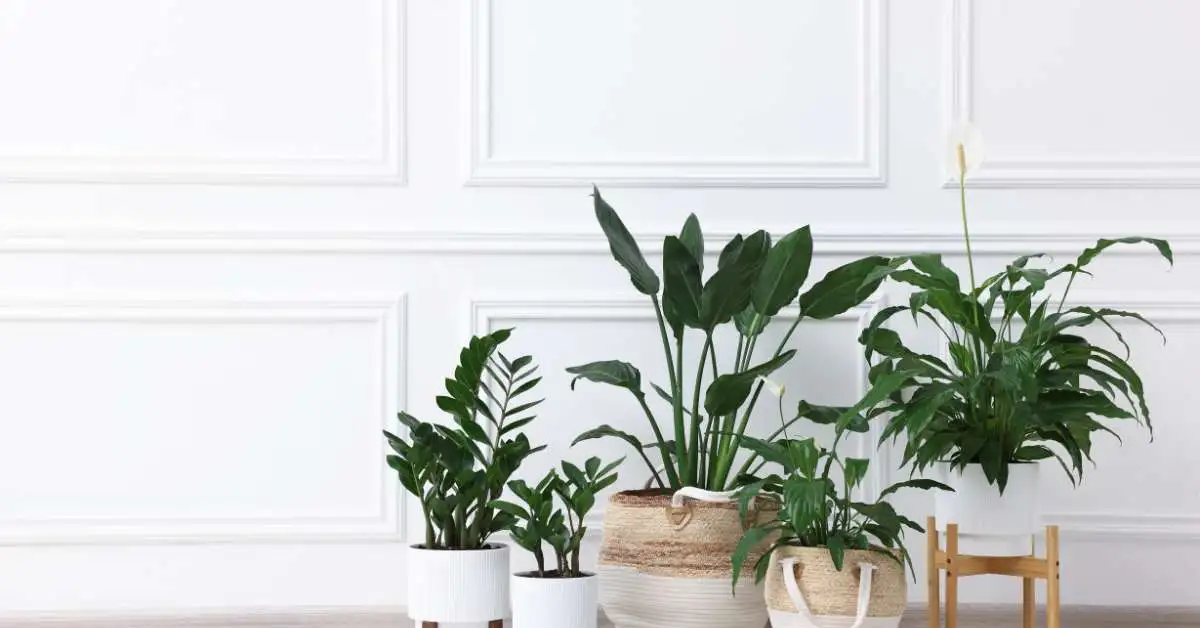
If you want to start gardening in 2026, you might wonder which plants give you the best chance of success. You can choose from a range of Easy-to-Grow Plants that thrive with little fuss. Horticultural experts say you should pick forgiving plants that need minimal effort, so you feel confident from the start. You will enjoy more than just a lovely view—gardening lifts your mood and helps you stay active. These plants work well in any space, whether you have a windowsill, balcony, or small garden. You will find options for indoor greenery, succulents, and even some edible treats. Ready to get your hands dirty and see quick results? Let’s dive in!
- Some favourites among beginners include:
- Lettuce
- Beans
- Courgettes
- Tomatoes
Key Takeaways
- Growing easy plants helps you feel good about gardening. You will enjoy it more and feel proud. Monstera, Spider Plant, and Pothos are good for beginners. They do not need much care and still grow well.
- Indoor plants like Philodendron and Rubber Plant are flexible. They can live in many different light levels. Edible plants like Sungold Cherry Tomato and bush beans grow fast. You will see results quickly and feel happy. Always check the soil to see if it is too wet.
- Beginners often water too much by mistake. Many of these plants are safe for pets. They are good for homes with animals. You can garden in small places like windowsills or balconies.
- Just pick the right plants for your space. Get children to help with planting and picking. Gardening together is fun for the whole family.
1. Monstera
Overview
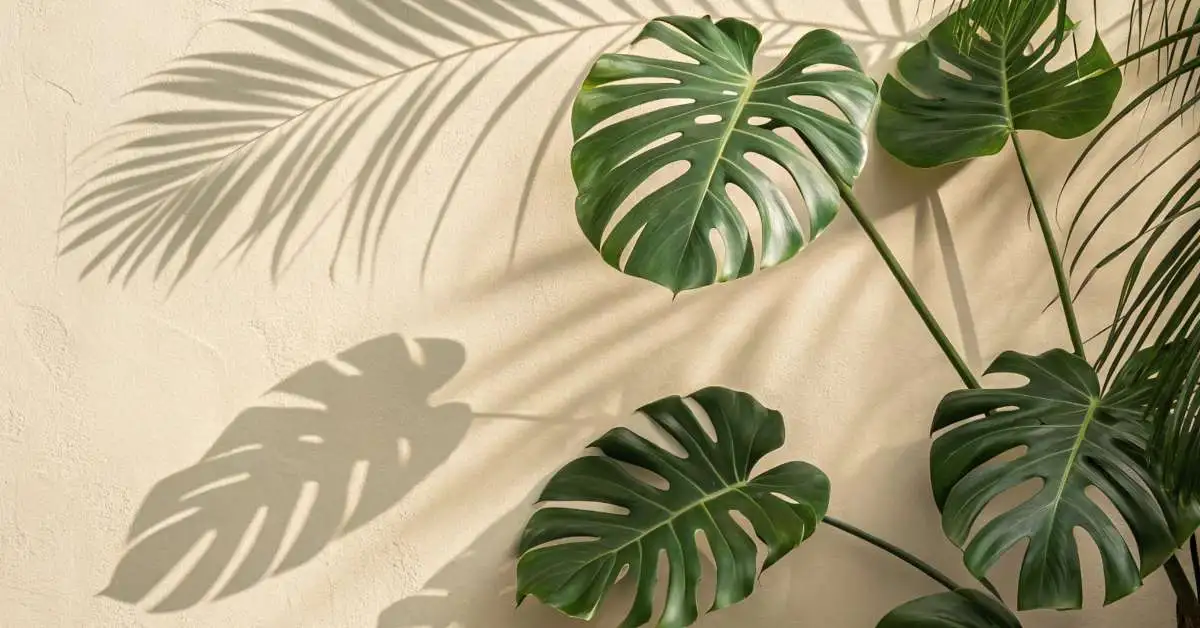
Monstera, often called the Swiss Cheese Plant, stands out as one of the most popular indoor foliage choices for beginners. You’ll recognise it by its dramatic, split leaves that add a tropical vibe to any room. This plant adapts well to different indoor environments, so you don’t need to worry if your space isn’t perfect. Whether you place it in your living room or bedroom, Monstera brings instant style and a lush, green look.
- Unique leaf shapes make Monstera a favourite for interior design.
- You can grow it in pots, on shelves, or let it climb a moss pole.
- It fits well with other Easy-to-Grow Plants, making it a great addition to your collection.
Beginner Benefits
If you’re just starting out, Monstera gives you plenty of reasons to feel confident. You don’t need expert skills to keep it healthy. This plant forgives small mistakes and bounces back from a bit of neglect. You’ll enjoy watching it grow and change, which makes gardening more rewarding.
- Monstera is easy to care for, even if you’ve never grown a plant before.
- It tolerates missed waterings and less-than-ideal conditions.
- The plant boosts the beauty of your home and creates a vibrant atmosphere.
- With the right spot and a little attention, Monstera can become the centrepiece of your indoor garden.
Tip: Place your Monstera where you can see it every day. You’ll notice new leaves and growth, which keeps you motivated.
Care Tips
Light
Monstera prefers bright, indirect light. Direct sunlight can scorch its leaves, so keep it away from south-facing windows. If your room is a bit dim, Monstera will still grow, but you might see fewer splits in the leaves.
- Place near a window with filtered light.
- Rotate the pot every few weeks for even growth.
Water
You don’t need to water Monstera every day. Let the top inch of soil dry out before you add more water. Overwatering is a common mistake, so always check the soil first.
- Water when the top layer feels dry.
- Use room-temperature water for best results.
- Watch for yellow leaves, which can mean too much water.
Soil
Monstera likes a well-draining, peat-based mix. This helps prevent root rot and keeps the plant healthy. You can add perlite or bark to improve drainage.
- Choose a pot with drainage holes.
- Fertilise monthly during spring and summer for strong growth.
- Trim any yellow or damaged leaves to keep your plant looking fresh.
Note: Keep an eye out for pests like spider mites or scale. If you spot them early, you can treat your Monstera and avoid bigger problems.
Common Mistakes to Avoid:
- Overwatering—always check the soil before you water.
- Not giving enough light—move your plant if it looks leggy or pale.
- Ignoring pests—inspect leaves regularly for signs of trouble.
Monstera makes a fantastic starting point for anyone new to indoor gardening. You’ll find it easy to manage, and its bold leaves will brighten your space in no time.
2. Spider Plant
Overview
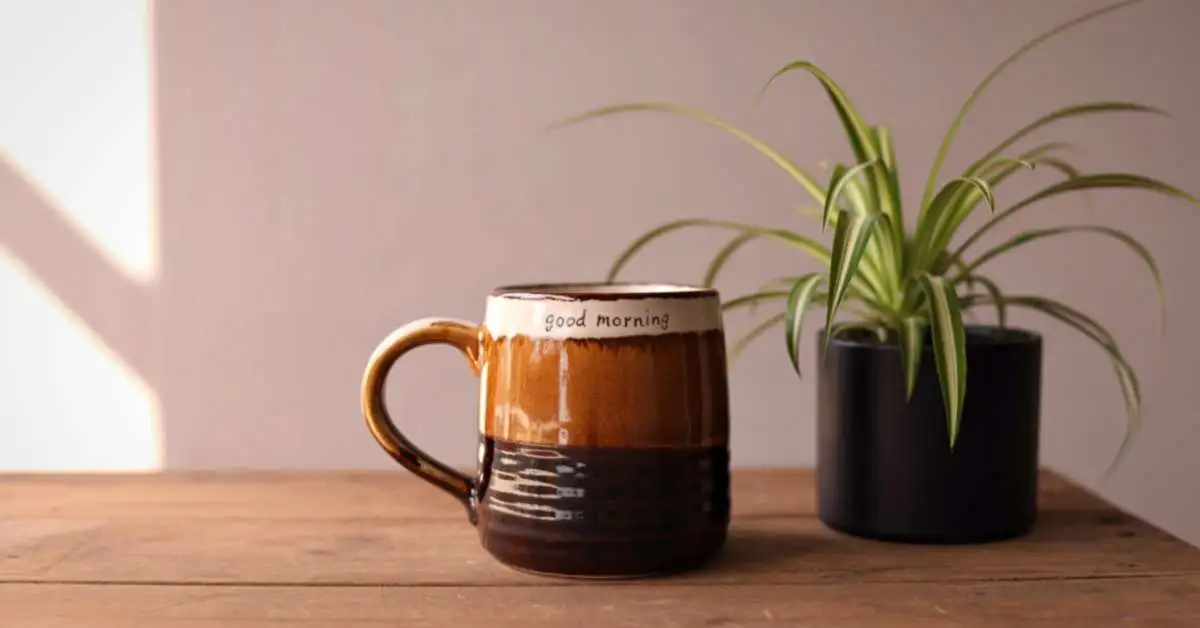
Spider Plant (Chlorophytum comosum) is a classic choice for anyone starting their plant journey. You will spot its long, arching green leaves with white stripes in homes, schools, and offices everywhere. This plant looks cheerful on a shelf, in a hanging basket, or even on your desk. You can enjoy its playful “spiderettes”—baby plants that dangle from the mother plant like little green spiders. Many people love Spider Plant because it fits into almost any space and brings a fresh, lively feel to the room.
Here’s a quick look at what makes Spider Plant so beginner-friendly:
| Characteristic | Description |
|---|---|
| Ease of care | Spider plants are very easy to care for, making them ideal for beginners. |
| Tolerance of conditions | They can thrive in various conditions, including low light and cooler temperatures. |
| Propagation | They propagate easily, allowing beginners to expand their plant collection without difficulty. |
Beginner Benefits
You will find Spider Plant one of the most forgiving houseplants. It adapts to different indoor environments, so you do not need to worry about perfect conditions. Even if you forget to water it now and then, Spider Plant bounces back. Its shallow roots make it perfect for pots, and you can move it around as you like.
- Spider Plant is low maintenance and easy to grow.
- It helps purify the air, removing up to 90% of harmful chemicals like formaldehyde.
- You can grow it in bright light or shade, which is great if your home does not get much sun.
- The plant produces offshoots, so you can quickly grow your collection or share with friends.
- Its resilience means it thrives even with minimal care.
Tip: If you want more plants, just snip off a spiderette and pop it in water or soil. You will see roots in no time!
Care Tips
Light
Place your Spider Plant in bright, indirect sunlight. It loves a sunny spot but does not like harsh, direct rays. If your room is a bit shady, Spider Plant will still grow, though the leaves may lose some of their stripes.
- Avoid placing it right on a windowsill with strong midday sun.
- Rotate the pot every week to keep growth even.
Water
Water your Spider Plant when the top inch of soil feels dry. In summer, you might water twice a week. In winter, once a week is enough. Spider Plant forgives the odd missed watering, but too much water can cause root rot.
- Use room-temperature water.
- Mist the leaves if your home feels dry.
- Watch for crispy leaf tips—this can mean underwatering or dry air.
Soil
Spider Plant likes well-draining soil. Use a standard houseplant mix and make sure the pot has drainage holes. Repot when you see roots poking out of the bottom.
- Feed every 4-6 weeks during spring and summer with a houseplant fertiliser.
- Do not over-feed, as this can brown the leaf tips.
- Propagate new plants by planting spiderettes in water or soil.
Note: Spider Plant is tough, but it can still suffer from overwatering, underwatering, or poor light. Keep an eye on the leaves and adjust care as needed. You will soon see why it is a favourite among Easy-to-Grow Plants!
3. Pothos
Overview
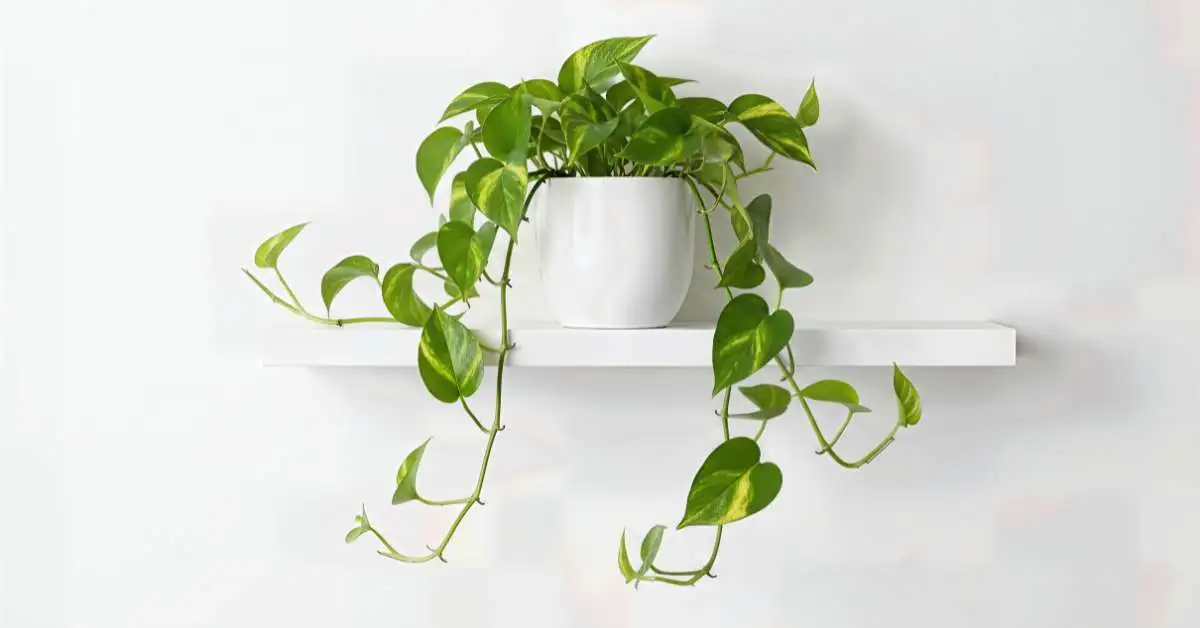
Pothos, also known as Devil’s Ivy, is a favourite among new plant owners. You will spot its heart-shaped leaves trailing from shelves or hanging baskets in many homes. The leaves come in shades of green, yellow, or even white, adding a splash of colour to any room. Pothos stands out for its hardiness. You can place it almost anywhere indoors, and it will still thrive. This plant grows quickly, so you will see new leaves and longer vines in just a few weeks. If you want a plant that looks good and grows fast, Pothos is a top pick.
- Hardy and resilient, perfect for busy lifestyles
- Adapts well to different lighting conditions
- Trailing vines make it ideal for shelves or hanging pots
- Easy to propagate, so you can share with friends
Did you know? Pothos is sometimes called a “beginner’s dream plant” because it is so forgiving and easy to care for.
Beginner Benefits
You will love how simple it is to care for Pothos. This plant does not need much attention, so you can relax and enjoy watching it grow. Pothos adapts to your home, whether you have lots of sunlight or just a little. You can forget to water it now and then, and it will still bounce back. The quick growth gives you a sense of achievement, especially when you see new leaves unfurling. Pothos also helps clean the air, making your space healthier.
- Easy to care for, even if you are new to plants
- Grows quickly, boosting your confidence as a plant parent
- Purifies indoor air, removing toxins
- Encourages a calming routine—training vines and wiping leaves can be relaxing
Tip: If you want more plants, snip a vine and pop it in water. Roots will appear in a week or two, and you can plant it in soil.
Care Tips
Light
Pothos loves bright, indirect light. You can place it near a window with filtered sunlight. It also tolerates low light, so it works well in rooms with less sun. Avoid direct sunlight, as this can scorch the leaves.
- Place in a spot with plenty of natural light, but not direct sun
- Rotate the pot every few weeks for even growth
Water
Water your Pothos when the top inch of soil feels dry. Stick your finger in the soil to check. Too much water can cause root rot, so let the soil dry out a bit between waterings.
- Water thoroughly, then let excess drain away
- Reduce watering in winter when growth slows
- Mist the leaves if your home feels dry
Soil
Pothos prefers a well-draining potting mix. You can use a blend of peat, perlite, and vermiculite. Make sure your pot has drainage holes to prevent soggy roots.
- Use a standard houseplant mix with added perlite
- Fertilise every 2-4 weeks during spring and summer
- Prune long vines to keep the plant bushy
Note: Check for pests like mealybugs or spider mites. Wipe the leaves with a damp cloth to keep them healthy and shiny.
Pothos is one of the best Easy-to-Grow Plants for beginners. You will find it rewarding, attractive, and almost impossible to kill.
4. Philodendron
Overview
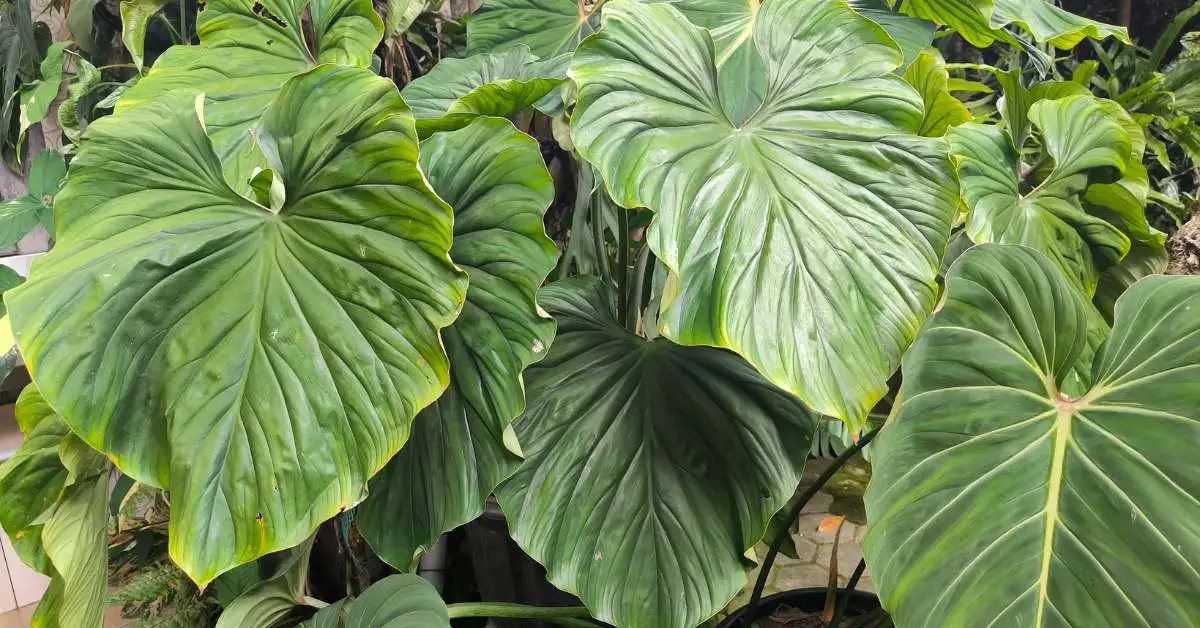
Philodendron is a classic houseplant that you will see in many homes. Its lush, heart-shaped leaves bring a touch of the tropics to any room. You can find Philodendrons in many shapes, sizes, and colours, so there is always one to match your style. This plant fits well on a shelf, in a hanging basket, or as a statement piece on a table. You do not need to worry about complicated care routines. Philodendron adapts to most indoor spaces and keeps growing with little fuss.
- You can choose from climbing or bushy types.
- The leaves stay glossy and green with minimal effort.
- Philodendron suits both modern and traditional décor.
Tip: Place your Philodendron where you can enjoy its vibrant leaves every day. It will quickly become a favourite in your collection.
Beginner Benefits
If you are new to houseplants, Philodendron makes life easy. You do not need any special skills to keep it healthy. This plant thrives in shaded corners and bright rooms alike. You can move it around your home without worry. Philodendron is forgiving if you forget to water it now and then.
- Low maintenance and easy to care for.
- Adapts well to different light levels.
- Perfect for beginners with no plant experience.
- Fits in any corner or on any shelf.
- Makes a thoughtful gift for new plant owners.
- Thrives in shaded areas, so you do not need lots of sunlight.
Note: Philodendron is one of the most reliable choices for anyone starting out with Easy-to-Grow Plants.
Care Tips
Light
Philodendron prefers bright, indirect light. You should avoid direct sunlight, as it can scorch the leaves. If your room is a bit dim, this plant will still grow, but the leaves may look less vibrant. Place it near a window with filtered light for best results.
- Rotate the pot every few weeks for even growth.
- You can keep it in a shaded spot if needed.
Water
Water your Philodendron when the top inch of soil feels dry. Stick your finger in the soil to check. Good drainage is important, so always use a pot with holes at the bottom. Too much water can cause root rot.
- Water less in winter when growth slows.
- Watch for yellow leaves, which can mean overwatering.
- Drooping leaves often signal that the plant needs a drink.
Soil
Philodendron likes a well-draining potting mix. You can use a blend of moss, perlite, and vermiculite. This keeps the roots healthy and prevents soggy soil. Repot every couple of years to refresh the soil.
Here is a quick care guide:
| Care Element | Recommendation |
|---|---|
| Water | Water when the top inch of soil feels dry; ensure proper drainage. |
| Temperature | Keep between 18°C and 29°C; avoid cold drafts. |
| Humidity | Loves high humidity; mist leaves or use a pebble tray. |
| Soil | Use a well-draining mix with moss and perlite. |
| Fertiliser | Feed every 2-4 weeks in spring and summer. |
| Pests | Check for mealybugs and spider mites; treat if needed. |
Callout: Brown leaf tips mean the air is too dry. Try misting the leaves or placing a tray of water nearby to boost humidity.
Philodendron gives you beauty and ease in one plant. You will soon see why so many beginners choose it for their first indoor garden.
5. Rubber Plant
Overview
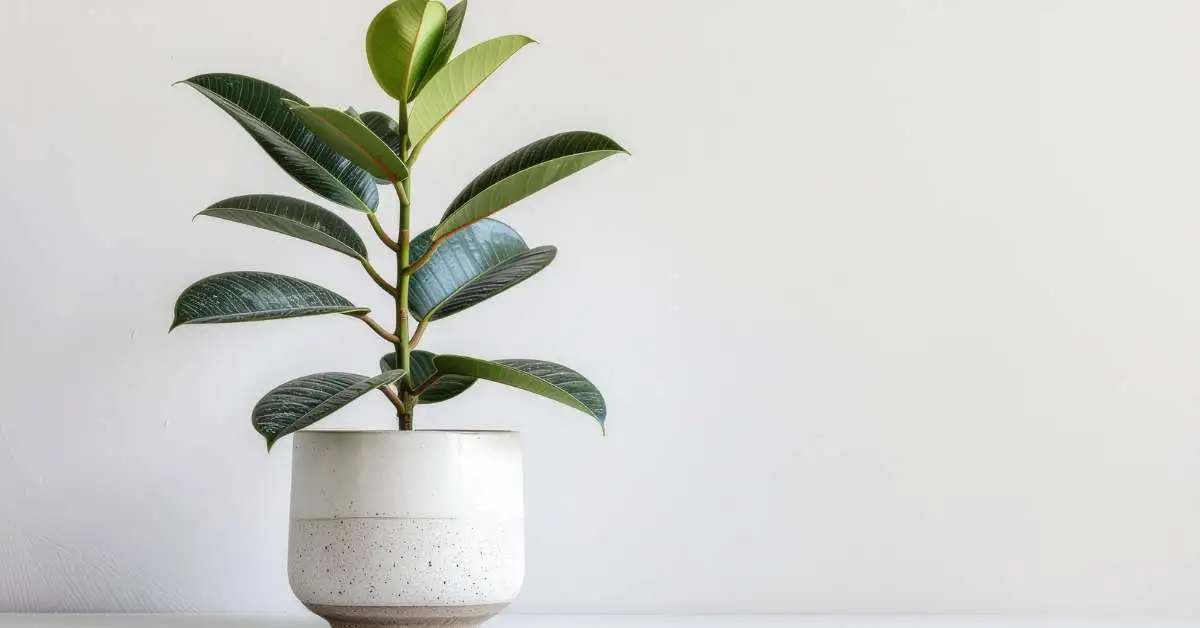
Rubber Plant (Ficus elastica) stands out as a bold and stylish choice for your indoor garden. You will notice its glossy, deep green leaves that add instant drama to any room. This plant suits modern spaces and classic interiors alike. You can place it in a corner or let it shine as a centrepiece. Rubber Plant does not demand much attention, so you can enjoy its beauty without feeling overwhelmed.
- Large, shiny leaves create a striking visual impact.
- Fits well in living rooms, bedrooms, or offices.
- Grows upright, making it perfect for small spaces.
Tip: If you want a plant that looks impressive but does not require constant care, Rubber Plant is a top pick.
Beginner Benefits
You will find Rubber Plant one of the easiest houseplants to manage. It offers several advantages for new gardeners. Here are some reasons why you might choose it:
- You can care for it with minimal effort.
- It helps clean the air by removing toxins like formaldehyde.
- The plant adds a bold touch to your home décor.
- Rubber Plant tolerates missed waterings and changes in light.
- Its leaves may even help soothe skin rashes, thanks to their anti-inflammatory properties.
Did you know? Rubber Plant can help reduce respiratory allergies by improving air quality indoors.
Care Tips
Light
Rubber Plant thrives in bright, indirect light. You can place it near a window with filtered sunlight. It also tolerates low light, but growth may slow and leaves might lose some shine.
- Avoid direct sunlight, which can scorch the leaves.
- Rotate the pot every few weeks for even growth.
- If your room is dim, try moving the plant closer to a light source.
Water
You do not need to water Rubber Plant every day. Keep the soil evenly moist, but never soggy. Let the top inch of soil dry out before watering again.
- Water less in winter when growth slows.
- Use room-temperature water for best results.
- Watch for drooping leaves, which can signal thirst.
Note: Overwatering is a common mistake. Always check the soil before adding water.
Soil
Rubber Plant prefers well-draining potting soil. You should repot every two to three years in spring, using fresh soil. Make sure the new pot has drainage holes to prevent root rot.
| Care Element | Recommendation |
|---|---|
| Soil | Use a well-draining mix; repot every 2-3 years. |
| Humidity | Average household humidity is fine. |
| Pot | Choose one with drainage holes. |
- Fertilise monthly during spring and summer.
- Wipe the leaves with a damp cloth to keep them shiny and dust-free.
Callout: If you see yellow leaves, check for soggy soil. Adjust your watering routine to keep your Rubber Plant healthy.
Rubber Plant is a fantastic addition to your collection of Easy-to-Grow Plants. You will enjoy its bold look and simple care, making your indoor garden journey even more rewarding.
6. Chinese Evergreen
Overview
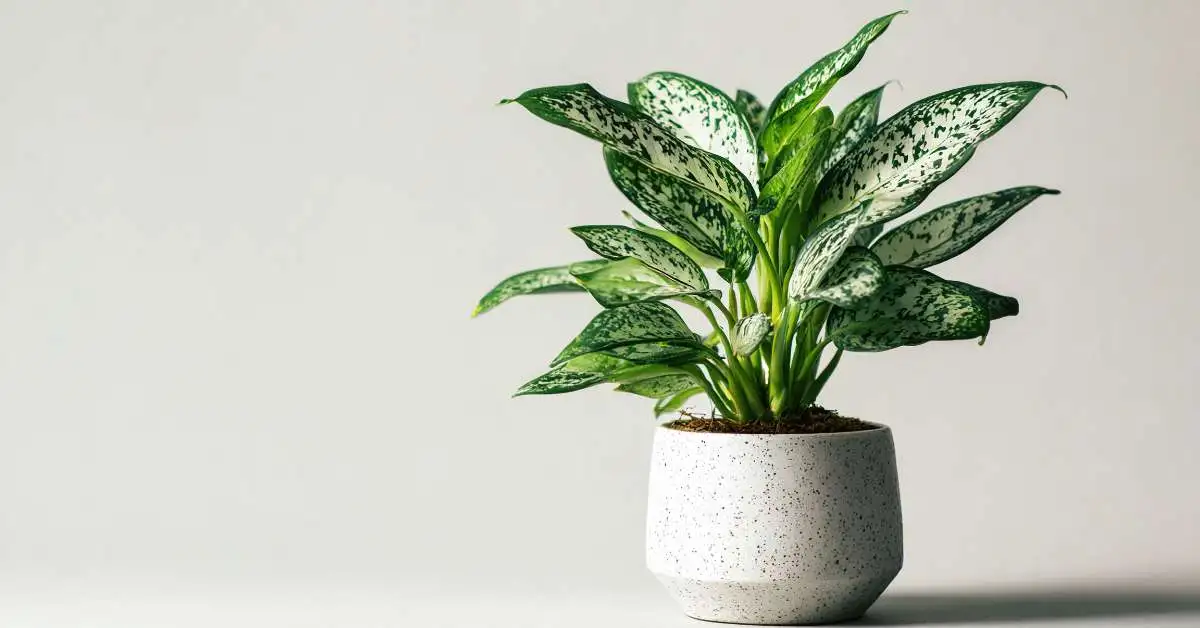
Chinese Evergreen is a great plant for beginners. It has big leaves with bright patterns in green, silver, or red. The plant gives your home a tropical look, even if you do not get much sunlight. Many people like Chinese Evergreen because it fits well in small spaces and busy lives. You can put it on a shelf, desk, or in a dark corner. It will still grow well.
- The leaves stay shiny and colourful all year.
- There are many types with different colours and patterns.
- It helps make your room feel calm and fresh.
Did you know? Chinese Evergreen is good for offices and flats. It grows well with little light and dry air.
Beginner Benefits
Chinese Evergreen is simple to look after. You do not need special tools or hard routines. This plant is strong and easy-going, so you can relax and watch it grow.
- Chinese Evergreen is easy to grow and has pretty leaves.
- It is perfect for beginners or rooms with little light.
- The big leaves make your home look tropical without much work.
- Chinese Evergreen can live in many indoor places, so it is good for new plant owners.
- Aglaonema is liked for its lovely, patterned leaves.
- Its easy nature makes it popular with new gardeners.
- Chinese Evergreen is tough and grows in low light.
- It needs little care, so it suits beginners.
Tip: If you forget to water sometimes, Chinese Evergreen will be fine. It can recover after missing a watering.
Care Tips
Light
You do not need a sunny spot for Chinese Evergreen. It grows in low or medium light. It even does well under office lights, so you can keep it anywhere.
- Keep it away from strong sunlight to stop leaf burn.
- It will grow in a dark corner or under lamps.
Water
Chinese Evergreen does not like wet soil. Let the top bit of soil dry before you water again. If you forget to water, the plant will not get upset.
- Water less in winter when it grows slowly.
- Use water that is not too cold or hot.
- Yellow leaves can mean you gave it too much water.
Soil
Use soil that drains well. Normal houseplant soil is fine. Make sure your pot lets water out so roots do not rot.
- Change the soil every few years to keep it fresh.
- Feed with liquid fertiliser once a month in spring and summer.
Note: Chinese Evergreen is one of the best Easy-to-Grow Plants for beginners. You will enjoy how nice it looks and how easy it is, even if you have never had a plant before.
7. Prayer Plant
Overview
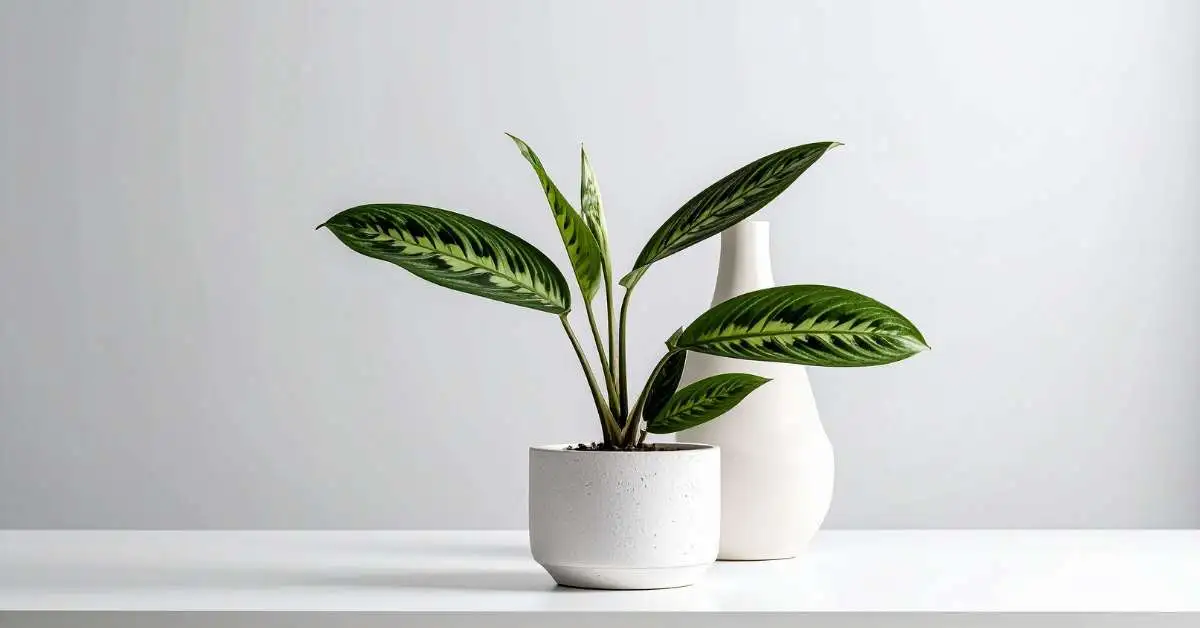
Prayer Plant, also called Maranta, brings a splash of colour and movement to your indoor garden. You will notice its striking leaves, decorated with green, red, and cream patterns. The most fascinating feature appears at night. The leaves fold upwards, looking like praying hands. This movement adds a sense of life and rhythm to your home. Prayer Plant suits any room, from a bright kitchen to a cosy bedroom. You can enjoy its beauty on a shelf, table, or windowsill.
Here’s a quick look at what makes Prayer Plant stand out:
| Feature | Description |
|---|---|
| Low maintenance | Needs consistent moisture but is generally easy to care for. |
| Aesthetic appeal | Shows off bold leaf patterns in green, red, and cream. |
| Night-time movement | Folds leaves upwards at night, adding interest and charm. |
| Non-toxic to pets | Safe for homes with cats and dogs. |
Did you know? Prayer Plant is pet-friendly, so you never have to worry if your cat or dog gets curious.
Beginner Benefits
You will find Prayer Plant a joy to grow, especially if you are new to houseplants. Its colourful leaves and unique habits make it a favourite for many beginners.
- The leaves show off dark green and pink stripes, brightening any space.
- Prayer Plant helps purify the air, making your home fresher.
- It is safe for pets, so you can relax if you have animals.
- The plant’s leaves move up and down, bringing a sense of calm and wonder.
- Its intricate patterns add texture and a peaceful feeling to your room.
Tip: Place your Prayer Plant where you can watch its leaves move in the evening. It’s a gentle reminder to slow down and enjoy the moment.
Care Tips
Light
Prayer Plant prefers bright, indirect light. You can keep it near a window with filtered sunlight. Too much direct sun can fade the colours or cause yellowing leaves. If you notice the leaves looking pale, move the plant to a shadier spot.
Water
Keep the soil evenly moist, but not soggy. Water more often in summer and less in winter. Use filtered or distilled water if your tap water is hard. Prayer Plant loves humidity, so mist the leaves or place the pot on a pebble tray.
- Water when the top inch of soil feels dry.
- Mist regularly to keep humidity high.
- Watch for brown edges—this means the air is too dry.
Soil
Prayer Plant grows best in well-draining, nutrient-rich soil with a slightly acidic pH. You can use a standard houseplant mix with added perlite. Repot every two to three years to refresh the soil and help the roots grow strong.
| Problem | Likely Cause | Solution |
|---|---|---|
| Yellowing leaves | Too much sun or overwatering | Move to shade and let the soil dry out a bit. |
| Brown leaf edges | Low humidity | Mist often or use a pebble tray for extra moisture. |
| Wilting leaves | Soil too dry | Check soil and water consistently. |
Note: Feed your Prayer Plant every two weeks in spring and summer with a balanced fertiliser. Reduce feeding in autumn and winter.
Prayer Plant is a wonderful choice if you want Easy-to-Grow Plants that offer beauty, movement, and a touch of magic to your home.
8. Jade Plant
Overview
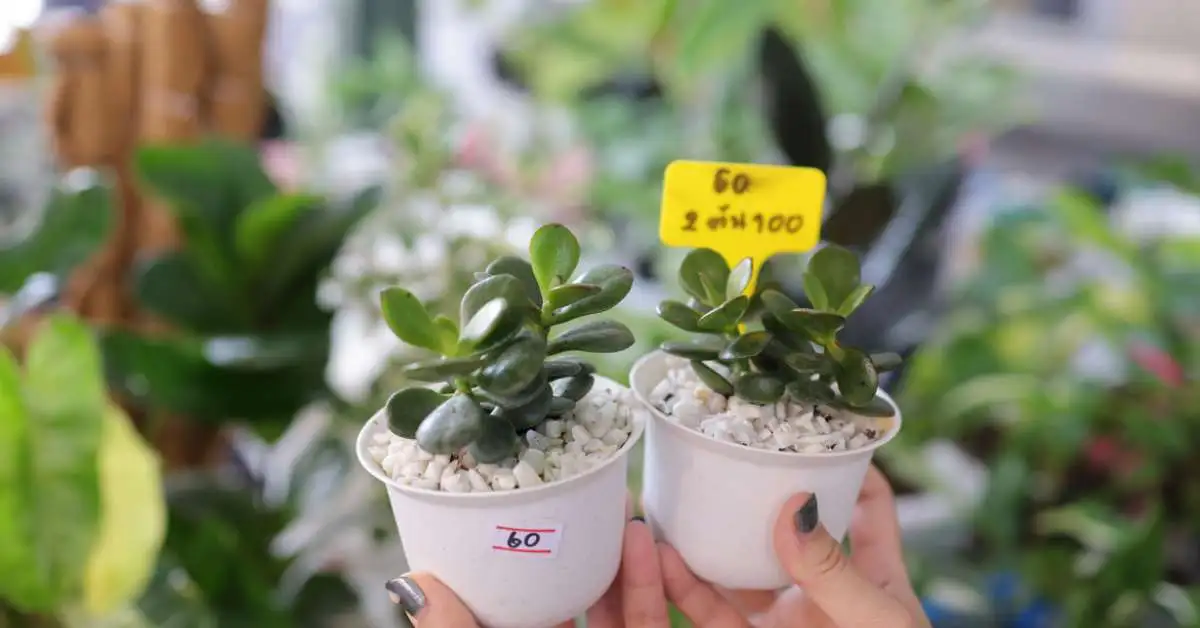
Jade Plant, also known as Crassula ovata, is a classic succulent that brings a touch of green to any space. You will notice its thick, shiny leaves and sturdy stems. This plant stores water in its leaves, so it can handle dry spells with ease. You can place it on a sunny windowsill, a desk, or even a kitchen shelf. Jade Plant grows slowly, but it lives for many years. It often becomes a family favourite, passed down from one generation to the next.
- Jade Plant needs very little care.
- You do not have to prune it.
- It rarely gets diseases, so you can relax and enjoy its beauty.
Tip: If you want a plant that forgives forgetful watering, Jade Plant is a top choice.
Beginner Benefits
You will find Jade Plant perfect if you are just starting out. It does not ask for much and rewards you with glossy leaves all year round. You do not need to worry about complicated routines or special tools. Jade Plant fits right in with other Easy-to-Grow Plants, making your collection look full and healthy.
- Jade Plant is ideal for busy people or those new to gardening.
- You can leave it alone for days, and it will still look great.
- The plant does not need pruning, which saves you time.
- It is usually free from pests and diseases.
- You can grow it in small pots, so it suits flats and small rooms.
Did you know? Jade Plant is sometimes called the “money plant” and is thought to bring good luck.
Care Tips
Light
Jade Plant loves bright, indirect sunlight. You should place it near a window where it gets plenty of light, but not harsh midday sun. If the leaves start to turn red, the plant may be getting too much direct sun.
- Move your plant to a brighter spot if it looks stretched or pale.
- Rotate the pot every few weeks for even growth.
Water
You do not need to water Jade Plant often. Let the soil dry out completely before you water again. Overwatering is the most common mistake, so always check the soil first.
- Water less in winter when the plant grows slowly.
- Use a pot with drainage holes to stop water from sitting at the bottom.
- If the leaves look shrivelled, give the plant a drink.
Soil
Jade Plant prefers well-draining soil. You can use a cactus or succulent mix. This helps prevent root rot and keeps the plant healthy.
- Repot every two to three years to refresh the soil.
- Add a little sand or perlite for extra drainage.
Note: Jade Plant does not like soggy roots. Always let the soil dry out before watering again.
Here are some common mistakes and how you can avoid them:
| Common Mistake | Solution |
|---|---|
| Overwatering | Let the soil dry out fully and use pots with drainage holes. |
| Inadequate light | Move to a brighter spot to help the plant grow strong. |
| Pest infestations | Check leaves often and use insecticidal soap if needed. |
| Leaves turning yellow | Adjust your watering schedule to avoid waterlogging. |
| Soft, mushy leaves | Check for root rot and repot in fresh, well-draining soil. |
| Leaves dropping | Keep watering steady and avoid cold drafts. |
| Dry sunburn spots | Move the plant to a spot with bright, indirect sunlight. |
| Shriveled leaves | Water a bit more, but do not overdo it. |
| Leggy stems | Prune and give the plant more light. |
Jade Plant is a wonderful choice if you want a plant that is both tough and beautiful. You will enjoy its glossy leaves and easy care, making it a star in your indoor garden.
9. Sungold Cherry Tomato
Overview
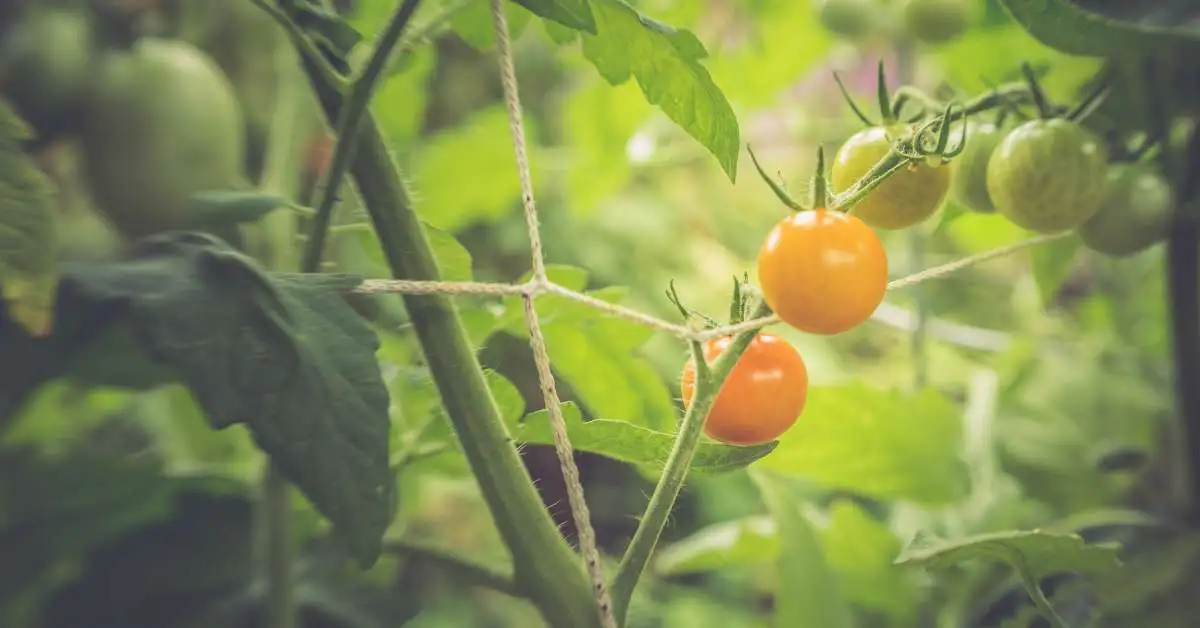
Sungold Cherry Tomato is a cheerful and tasty addition to your garden. You will love its bright orange fruit and sweet flavour. This plant grows quickly and gives you a steady supply of tomatoes all summer. You can grow Sungold Cherry Tomato in a pot, on a balcony, or even on a sunny windowsill. It does not need a big garden. You just need a sunny spot and a little care. Many people choose this variety because it is reliable and produces lots of fruit. You can pick tomatoes straight from the vine and eat them as a snack.
- Produces small, sweet, orange tomatoes
- Grows well in containers or small spaces
- Gives you a long harvest season
Did you know? Sungold Cherry Tomato is one of the most popular choices for new gardeners who want to try growing food at home.
Beginner Benefits
You will find Sungold Cherry Tomato easy to grow, even if you have never tried growing vegetables before. This plant does not need much fuss. It grows fast and rewards you with lots of fruit. You can see results in just a few weeks. Watching the green tomatoes turn orange is exciting. Picking your own tomatoes feels great and tastes even better.
- Perfect for beginners who want to grow food
- Needs only basic care and attention
- Grows well in pots, so you do not need a garden
- Gives you a sense of achievement with every harvest
Tip: If you have children, let them help pick the tomatoes. It is a fun way to get them interested in gardening and healthy eating.
Care Tips
Light
Sungold Cherry Tomato loves sunlight. You should give it at least six hours of direct sun each day. A south-facing balcony or windowsill works well. If you grow it indoors, place it as close to the window as possible.
- More sun means more fruit
- Turn the pot every few days so all sides get light
Water
You need to keep the soil moist but not soggy. Water the plant when the top of the soil feels dry. In hot weather, you may need to water every day. Try to water at the base of the plant, not on the leaves.
- Use a watering can with a narrow spout
- Water in the morning for best results
Soil
Sungold Cherry Tomato likes rich, well-draining soil. Use a good quality compost or potting mix. If you grow it in a container, make sure the pot has holes at the bottom.
| Soil Tip | Why It Helps |
|---|---|
| Add compost | Gives the plant nutrients |
| Use mulch | Keeps soil moist |
| Check drainage | Stops roots from rotting |
Note: Feed your plant with tomato fertiliser every two weeks once it starts to flower. This helps you get more and better fruit.
Sungold Cherry Tomato is a star among Easy-to-Grow Plants. You will enjoy fresh, sweet tomatoes and learn how rewarding home gardening can be.
10. Bush Beans

Overview
Bush beans are one of the easiest vegetables you can grow at home. You do not need a big garden or fancy tools. These beans grow in neat, compact bushes, so they fit well in pots, raised beds, or even window boxes. You will spot their bright green leaves and pretty white flowers before the pods appear. Bush beans grow quickly, and you can pick your first harvest in just a few weeks. If you want a plant that gives you food and fun, bush beans are a brilliant choice.
- Bush beans do not need support or trellises.
- You can grow them in small spaces.
- The plants look tidy and stay manageable.
Did you know? Bush beans are sometimes called “snap beans” because you can eat the pods whole. They taste sweet and crisp straight from the plant.
Beginner Benefits
You will love bush beans if you are new to gardening. They are reliable and forgiving, so you do not need to worry about making mistakes. You can plant the seeds directly in the soil, and they will sprout quickly. Watching the beans grow and picking your own pods feels rewarding. You can even get children involved, as the seeds are big and easy to handle.
Here are some reasons bush beans are perfect for beginners:
- Fast-growing: You can harvest beans in as little as 7–8 weeks.
- Low maintenance: No need for staking or tying.
- High yield: Each plant gives you lots of beans.
- Edible and nutritious: Fresh beans are packed with vitamins and fibre.
- Fun for families: Kids enjoy planting and picking beans.
Tip: Sow a few seeds every couple of weeks. This way, you will have fresh beans all summer long.
Care Tips
Light
Bush beans love sunlight. You should give them at least six hours of direct sun each day. A sunny balcony, patio, or garden bed works well. If you grow them indoors, place the pot near a bright window.
- More sun means more beans.
- Turn pots every few days for even growth.
Water
Keep the soil moist but not soggy. Water the plants when the top layer feels dry. Beans do not like wet feet, so avoid overwatering. In hot weather, you may need to water more often.
- Water at the base to keep leaves dry.
- Early morning is the best time to water.
Soil
Bush beans prefer loose, well-draining soil. You can use a mix of compost and garden soil. Make sure the pot or bed drains well, so roots do not rot.
| Soil Tip | Why It Helps |
|---|---|
| Add compost | Gives beans extra nutrients |
| Avoid clay soil | Stops waterlogging |
| Mulch surface | Keeps soil moist |
Note: You do not need much fertiliser. Too much can make the plants leafy but give fewer beans.
Bush beans are a fantastic way to start growing your own food. You will enjoy crisp, tasty pods and the satisfaction of harvesting something you grew yourself. Give them a try, and you might find yourself planting them every year!
You can start your gardening journey with Easy-to-Grow Plants and enjoy quick wins. These plants make gardening simple and fun for everyone. Many people find that growing low maintenance plants, like tomatoes and cucumbers, helps them learn new skills and stick with gardening for years. You do not need a big garden or lots of experience.
- Pick one or two plants from the list and give it a go.
- Share your stories or questions in the comments below.
Gardening is for everyone—your green adventure starts now!
FAQ
What if I have very little sunlight at home?
You can still grow many of these plants. Try Chinese Evergreen, Snake Plant, or Pothos. These plants do well in low light. Place them near a window for best results.
How often should I water my plants?
Most easy-to-grow plants like the soil to dry out between waterings. Stick your finger in the soil. If it feels dry, it’s time to water. Overwatering is a common mistake.
Can I grow these plants in small flats or on windowsills?
Absolutely! Many of these plants, like Jade Plant and Spider Plant, thrive in small pots. You can place them on shelves, desks, or windowsills. They do not need much space.
Are any of these plants safe for pets?
Yes, some are pet-friendly. Prayer Plant and Spider Plant are safe for cats and dogs. Always check before bringing a new plant home if you have pets.
What should I do if my plant’s leaves turn yellow?
Yellow leaves often mean too much water or not enough light. Move your plant to a brighter spot and let the soil dry out a bit. Trim off any yellow leaves.
Can I grow edible plants indoors?
You can! Sungold Cherry Tomato and bush beans grow well in containers indoors. Give them plenty of sunlight and water. You’ll enjoy fresh food right from your windowsill.
How do I start a new plant from cuttings?
Many plants, like Pothos and Spider Plant, root easily in water. Snip a healthy stem, place it in a glass of water, and wait for roots to appear. Then, plant it in soil.